Bitcoin losing trillions in value hasn’t stopped traditional giants’ interest in digital assets sector
At the iConnections conference in Miami this week, allocators signaled digital assets are now a core sleeve in alternatives.

At the iConnections conference in Miami this week, allocators signaled digital assets are now a core sleeve in alternatives.
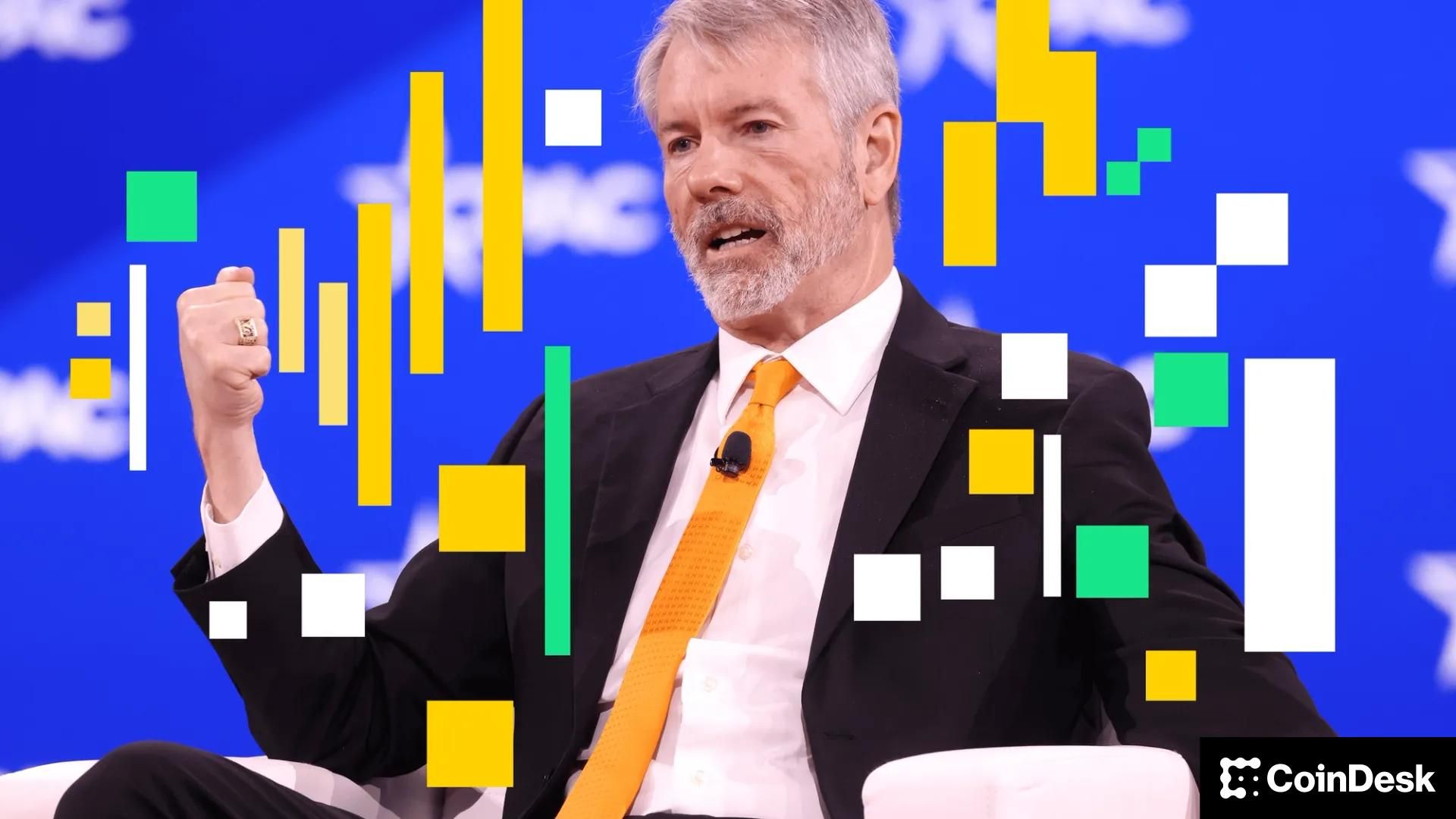
Led by Executive Chairman Michael Saylor, the company raised the annual dividend on its widely-followed preferred STRC (“Stretch”) series by 25 basis points.
Historically, bitcoin bear markets have lasted 12-13 months, suggesting a potential downturn until late 2026 if priced in USD.
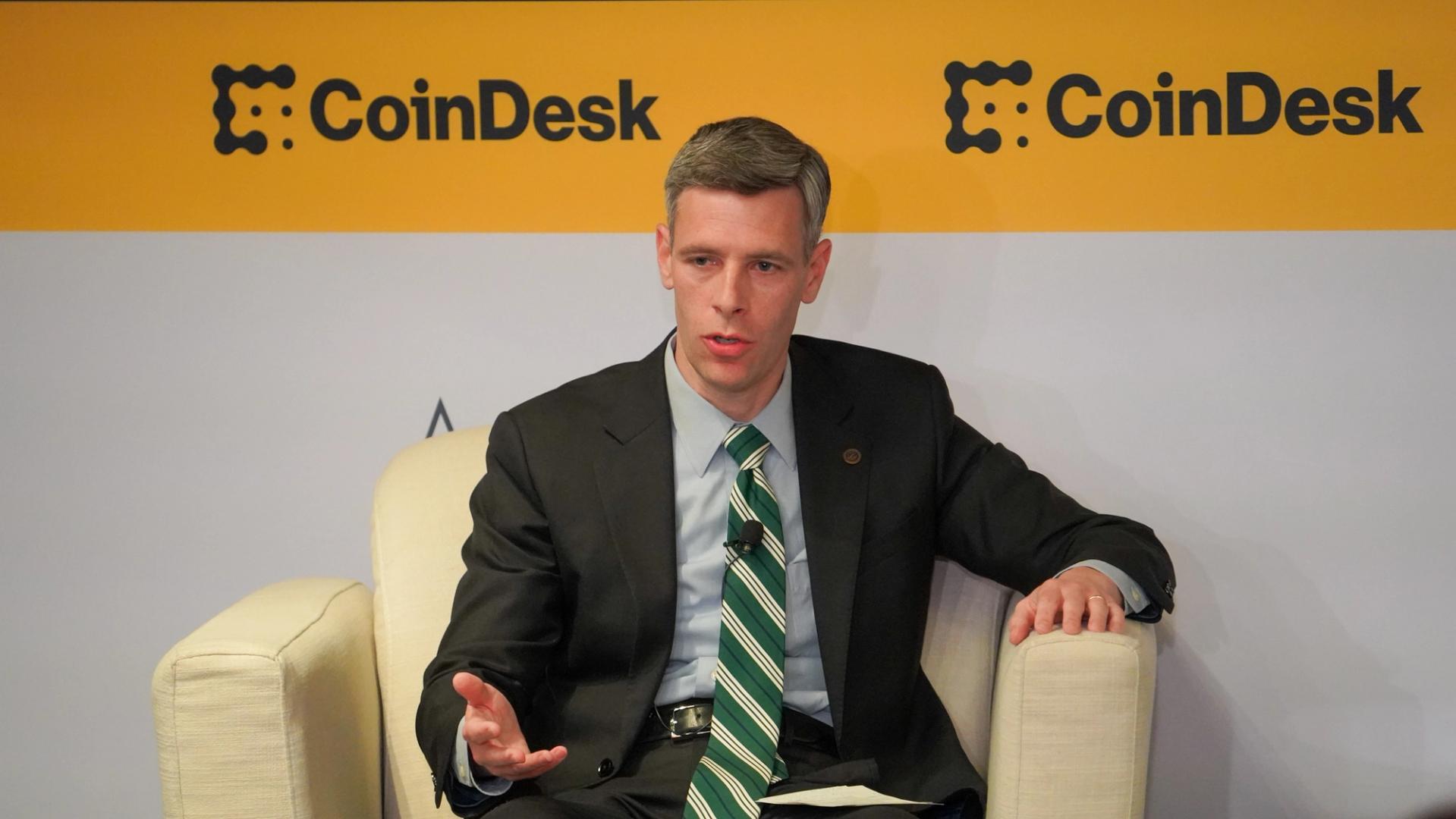
The OCC’s proposal’s stablecoin yield procedures are the most ambiguous in that rulemaking plan.

The company holds about 8,285 bitcoin in Coinbase Prime custody, a stake now worth roughly $545 million after a $235 million decline in value over the past three months.

Bitcoin’s future hinges less on technological factors and more on how AI affects growth, employment, real interest rates, and central bank liquidity, NYDIG Research argues.
JPMorgan said the long-awaited Clarity Act would bring regulatory clarity, boost institutional participation and accelerate tokenization across U.S. crypto markets.

The government relies on this crypto infrastructure for international trade, while ordinary Iranians use it as a financial lifeline during protests and economic crises.

The real competitive advantage in stablecoins, the moat that holds competitors at bay, now lies in the distribution held by incumbents, according to the person behind Meta’s abandoned Diem token.

A full closure of the strait is unlikely or impractical, some experts argue.